IPS Aautomation

Blog

Your blog category

Importance of Industrial Instrumentation in Modern Manufacturing

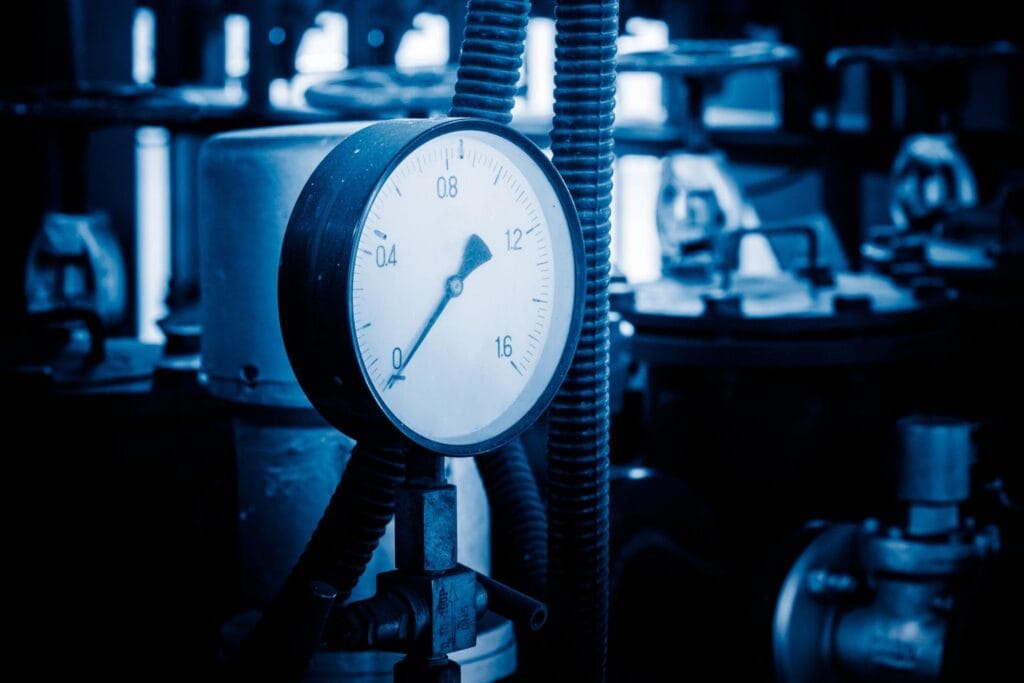
Industrial instrumentation plays a critical role in ensuring safety, efficiency, and precision. As industries strive to meet increasing demands, improve product quality, and optimize operational performance, advanced instrumentation systems have become indispensable. This article explores how instrumentation serves as the backbone of manufacturing processes, enhancing productivity and safety while driving innovation. Ensuring Safety in Manufacturing Safety remains a top priority in any industrial environment, and industrial instrumentation is at the forefront of maintaining safe operations. Instruments such as pressure sensors, level gauges, temperature controllers, and flow meters monitor critical parameters to prevent equipment failures, hazardous leaks, and accidents. Pressure sensors continuously monitor pressure levels in pipelines, tanks, and vessels to avoid dangerous pressure build up. Level gauges ensure appropriate levels of liquids and gases in storage tanks, preventing overflow or empty conditions that may lead to safety hazards. Temperature controllers help maintain optimal operating temperatures in machinery, reducing risks of overheating or fires. With real-time monitoring and automated alerts, industrial instrumentation significantly reduces risks, safeguarding both human resources and equipment. Enhancing Efficiency and Productivity Modern manufacturing relies heavily on efficiency to maintain competitiveness. Instrumentation enables real-time monitoring, measurement, and control of production processes, ensuring optimal resource utilization and reduced wastage. Automated control systems optimize the performance of equipment, minimizing downtime and energy consumption. Advanced instruments provide accurate data that allow manufacturers to analyze performance, identify bottlenecks, and make informed decisions. Instruments such as flow meters and smart sensors monitor energy consumption, helping to reduce operational costs. By streamlining processes and eliminating inefficiencies, industrial instrumentation drives significant improvements in productivity and profitability. Precision and Quality Control Manufacturing processes demand high precision to ensure consistent product quality. Industrial instrumentation provides accurate measurements, enabling manufacturers to meet strict quality standards. Flow meters deliver precise measurements of fluid flow in production processes, ensuring consistent outputs. Thermocouples measure temperature variations to maintain quality control in processes like metal fabrication and chemical manufacturing. Calibration tools ensure instruments are performing accurately, maintaining consistency across production lines. By achieving precision at every stage of manufacturing, instrumentation guarantees that products meet regulatory requirements and customer expectations. Supporting Automation and Industry The evolution of smart factories and Industry has revolutionized manufacturing through automation and digital transformation. Industrial instrumentation plays a vital role in enabling these advancements. Integrated sensors, IoT devices, and automated control systems facilitate remote monitoring, allowing operators to monitor equipment performance and production processes in real time from remote locations. Advanced instrumentation systems predict equipment failures through condition monitoring, reducing costly unplanned downtime. Instrumentation integrates with SCADA, PLCs, and other control systems, ensuring a cohesive and automated manufacturing environment. With the rise of digital technologies, industrial instrumentation forms the foundation of smart manufacturing, driving efficiency and innovation. Environmental Compliance and Sustainability Sustainability is a growing concern in modern manufacturing. Industrial instrumentation helps industries meet environmental regulations and achieve sustainability goals by monitoring emissions, resource usage, and waste production. Emission monitoring instruments measure and control emissions to ensure compliance with environmental standards. Water and energy meters track resource consumption, enabling manufacturers to implement sustainable practices and reduce their carbon footprint. By promoting eco friendly In modern manufacturing, industrial instrumentation is more than just a support system it is a necessity. By ensuring safety, improving efficiency, enabling precision, and supporting technological advancements, instrumentation empowers manufacturers to achieve higher productivity and quality standards. As industries continue to evolve, the role of advanced instrumentation systems will only grow, cementing their importance in driving innovation and sustainability. For industries seeking reliable instrumentation solutions, Globe United offers cutting edge products, including Magnetic Level Gauges, Y Strainers, Calibration Columns, Thermocouples, and Flow Meters. With a focus on quality, precision, and customer satisfaction, Globe United ensures your manufacturing processes remain efficient, safe, and future-ready.

Importance of Industrial Instrumentation in Modern Manufacturing Read More »

Selecting the Right Thermowell: Protecting Your Sensors for Optimal Performance

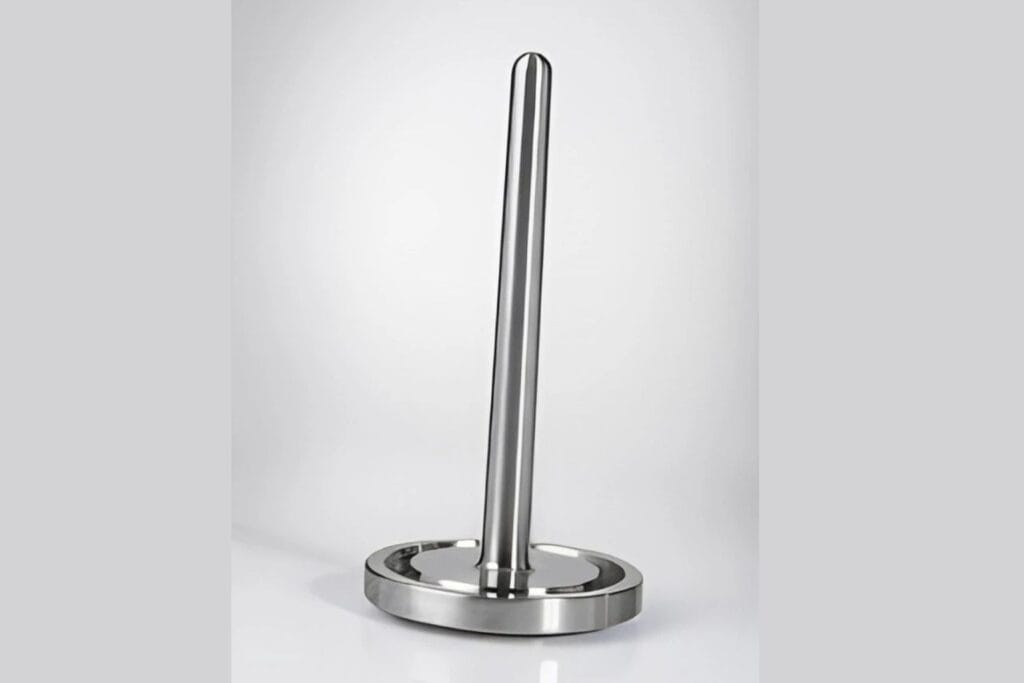
In industrial processes, accurate temperature measurement is crucial for operational efficiency and safety. Thermowells play a pivotal role in protecting temperature sensors from harsh conditions while ensuring reliable readings. Selecting the right thermowell is essential to maximizing sensor lifespan and performance, particularly in extreme environments. This guide explores thermowell types, materials, and considerations to help you make the best choice for your application. Types of Thermowells The choice of thermowell type depends on the application and the operating environment. The most common types include straight thermowells, which feature a uniform diameter throughout their length and are ideal for low to moderate pressure applications. Tapered thermowells, which gradually decrease in diameter from the flange to the tip, are suited for high-pressure systems due to their reduced drag and vibration resistance. Stepped thermowells have a larger diameter near the base, stepping down to a smaller diameter, providing a quick response time due to reduced thermal lag. Flanged thermowells come equipped with a flange for easy installation and removal, making them ideal for systems requiring frequent maintenance. Lastly, threaded thermowells are designed with threads for secure connections and are suitable for applications where threaded connections are standard. Choosing the Right Material Material selection is critical for ensuring thermowell durability and performance under extreme conditions. Common materials include stainless steel, known for its corrosion resistance and high strength, making it suitable for general industrial use, food processing, and chemical industries. Inconel offers exceptional resistance to high temperatures and aggressive chemicals, making it ideal for power plants, aerospace, and petrochemical industries. Hastelloy provides superior resistance to oxidizing and reducing agents and is perfect for harsh chemical environments, including acids and alkalis. Monel is excellent for seawater and other highly corrosive environments, making it a choice material for marine and offshore industries. Ceramic thermowells offer extreme temperature resistance and are best suited for high temperature furnaces and kilns. Key Considerations for Selecting a Thermowell Several factors should be considered when selecting a thermowell. The operating temperature and pressure must be within the thermowell material’s limits to ensure durability. Corrosion resistance is vital, and the thermowell material must match the chemical composition of the process media to prevent degradation. The insertion length should be appropriate to ensure accurate temperature readings without compromising structural integrity. In high flow systems, velocity and vibration can induce stress; selecting a tapered or stepped thermowell minimizes these risks. For processes requiring quick temperature readings, stepped thermowells or materials with high thermal conductivity are recommended. Optimizing Performance with the Right Thermowell The proper selection of a thermowell significantly impacts the accuracy and longevity of temperature sensors in industrial processes. By understanding the types, materials, and environmental factors, you can choose a thermowell that ensures optimal performance and sensor protection. At Globe United, we offer a wide range of high quality thermowells tailored to diverse industrial needs. Contact us today to find the perfect solution for your application and protect your sensors for the long term.

Selecting the Right Thermowell: Protecting Your Sensors for Optimal Performance Read More »

The Role of Magnetic Level Gauges in Modern Industrial Processes

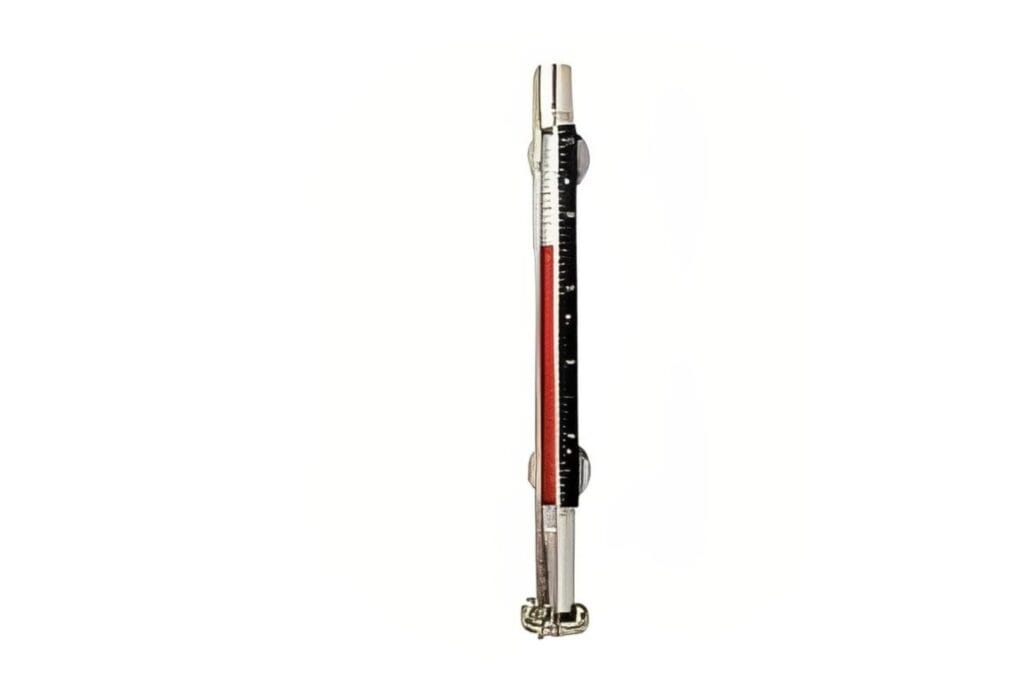
Magnetic Level Gauges have emerged as indispensable tools, ensuring accurate level measurement and operational reliability in various industrial processes. These advanced devices provide real-time monitoring, durability, and safety, making them a preferred choice across industries. What Are Magnetic Level Gauges? Magnetic Level Gauges are sophisticated instruments used to measure the liquid levels in tanks and vessels. They operate using a float with a magnet inside, which rises and falls with the liquid level. The magnetic field interacts with an external indicator or switches, providing an accurate and continuous visual representation of the liquid’s height. Key Features of Magnetic Level Gauges Magnetic Level Gauges are known for their high accuracy, offering precise measurement even in extreme conditions, such as high pressure, high temperature, or corrosive environments. Their non invasive design enhances safety by minimizing the risk of leakage, making them ideal for hazardous or toxic liquids. With no moving parts exposed to the liquid, these gauges require low maintenance, reducing wear and tear and ensuring longevity. Additionally, they are versatile, compatible with various types of liquids, including chemicals, oils, and water. Applications of Magnetic Level Gauges in Industry In chemical processing, Magnetic Level Gauges provide safe and accurate measurement of volatile and corrosive liquids, ensuring process safety and efficiency. In the oil and gas sector, they are used to monitor liquid levels in storage tanks and separators, aiding in efficient resource management. The power generation industry uses these gauges to ensure the proper monitoring of boiler water levels, preventing accidents and maintaining operational continuity. Hygienic designs also make them suitable for monitoring liquid levels in food-grade tanks, ensuring quality control in the food and beverage sector. Advantages Over Traditional Level Gauges Compared to conventional level gauges, Magnetic Level Gauges offer several advantages. Their sealed construction prevents contamination, while the magnetic coupling eliminates the need for glass tubes that can break under pressure. Additionally, their compatibility with smart sensors enables integration into automated systems, enhancing operational efficiency. Advancing Safety and Sustainability The use of Magnetic Level Gauges aligns with the increasing focus on industrial safety and sustainability. By reducing the risk of spills and ensuring accurate measurement, they contribute to safer workplaces and minimize environmental impact. Their durability also reduces the frequency of replacements, promoting cost-effectiveness and resource conservation. Why Choose Globe United for Magnetic Level Gauges? At Globe United, based in Dubai, we specialize in providing high quality Magnetic Level Gauges tailored to meet the specific needs of your industry. Our products are designed to deliver precision, reliability, and safety in the most demanding environments. With a commitment to innovation and customer satisfaction, Globe United ensures your industrial processes are optimized for success.

The Role of Magnetic Level Gauges in Modern Industrial Processes Read More »

Role of Basket Strainers in Protecting Pumps and Valves

In industrial systems, pumps and valves are essential components that ensure the smooth operation of fluid processes. However, the presence of debris, foreign particles, and sediment in the fluid can compromise their functionality, leading to inefficiencies, breakdowns, and costly repairs. Basket strainers play a crucial role in safeguarding these critical pieces of equipment by filtering out contaminants before they can cause damage. Here’s a closer look at how basket strainers protect pumps and valves, ensuring the longevity and efficiency of fluid systems. What Are Basket Strainers? Basket strainers are filtration devices used in pipelines to remove unwanted solids from fluids. They consist of a perforated or mesh basket that captures debris while allowing clean fluid to flow through. This design makes them highly effective for applications that require thorough filtration and ease of maintenance, making them indispensable in protecting pumps and valves. How Basket Strainers Protect Pumps Basket strainers prevent clogging and wear by filtering out debris before it reaches the pump. Debris entering the pump can clog impellers, reducing performance and potentially causing pump failure. By removing these particles, basket strainers ensure optimal operation and protect the pump’s internal components from damage. Additionally, solid particles can erode the pump over time, especially in high pressure systems. Basket strainers help minimize this wear and tear, ultimately prolonging the pump’s lifespan. They also help maintain consistent fluid flow, as debris can disrupt the flow consistency, leading to strain on the pump. By preventing blockages, basket strainers support smooth, uninterrupted operation. How Basket Strainers Protect Valves Basket strainers are equally important in protecting valves. Debris can accumulate in valve mechanisms, leading to improper sealing or complete blockage. Basket strainers eliminate this risk by filtering out particles before they reach the valve, ensuring smooth and efficient valve function. Foreign particles can also damage valve seals, leading to leaks and operational inefficiencies. By preventing debris from reaching the valve, basket strainers protect these seals from wear. Moreover, many valves require precise movements to regulate fluid systems effectively, and debris can interfere with this delicate function. Basket strainers ensure that only clean fluid reaches the valve, supporting accurate and precise operation. Additional Benefits of Using Basket Strainers Using basket strainers offers numerous additional benefits, including reduced maintenance costs. By protecting pumps and valves, basket strainers decrease the frequency of repairs and maintenance, saving both time and money. Furthermore, clean fluid flowing through the system increases its overall efficiency, leading to better performance and reduced energy consumption. Basket strainers are versatile and come in a variety of materials and sizes, making them suitable for use across many industries, including oil and gas, water treatment, and chemical processing. Essential Protection for Critical Equipment Basket strainers are essential for industrial systems, ensuring pumps and valves remain protected and operate efficiently. By filtering out debris and contaminants, they safeguard critical components from damage, reduce downtime, and extend the equipment’s lifespan. Industries looking to optimize fluid systems should invest in high quality basket strainers tailored to their specific needs. Globe United offers a range of premium basket strainers designed to meet diverse operational requirements, ensuring your equipment stays protected and your systems perform at their best.

Role of Basket Strainers in Protecting Pumps and Valves Read More »

Transparent Level Gauges: A Clear Choice for Accurate Liquid Level Monitoring

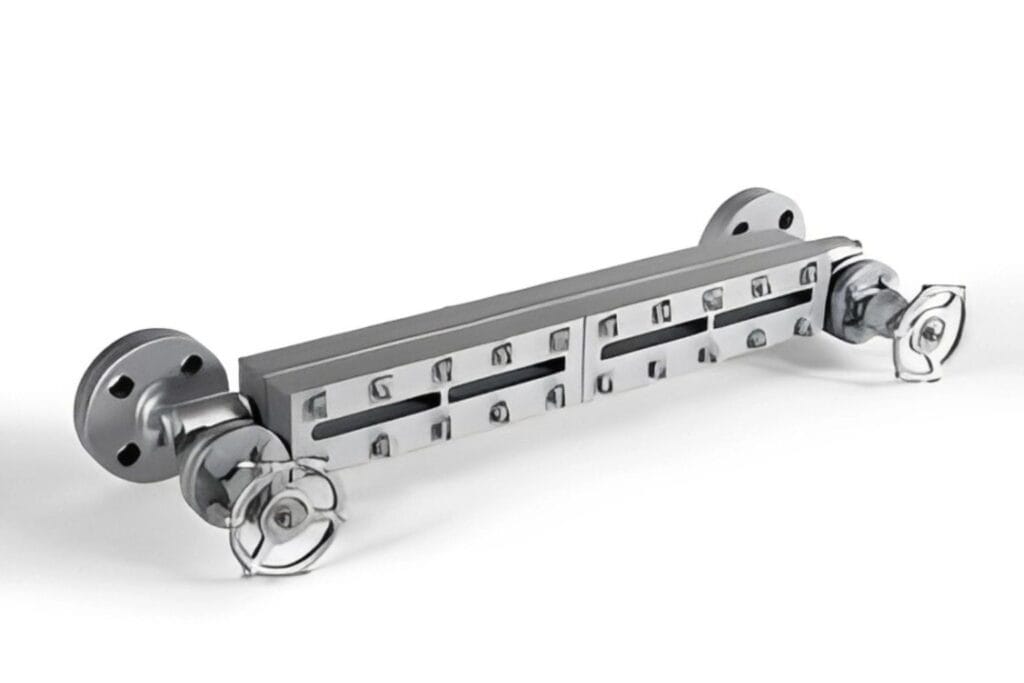
Transparent level gauges are a vital tool in industrial applications requiring precise liquid level monitoring. These gauges use the principle of light transmission through two transparent plates to provide a clear view of liquid levels, making them indispensable in industries like chemical processing, oil and gas, and power generation. Transparent level gauges consist of transparent glass plates installed on opposite sides of a liquid chamber, allowing operators to observe liquid levels directly. A light source is often added behind the gauge to enhance visibility by creating a clear distinction between the liquid and gas phases. The key components include durable glass plates resistant to high pressure and temperature, a liquid chamber for accurate readings, and an optional illumination source for improved visibility. Advantages of Transparent Level Gauges These gauges offer several advantages, including high accuracy and precise readings due to their clear view of liquid levels. Their versatility makes them suitable for various liquids, including corrosive chemicals and oils. Additionally, their robust construction ensures durability under harsh industrial conditions, such as high pressure and extreme temperatures. Optional backlighting further enhances visibility, especially in low-light environments. Applications of Transparent Level Gauges Transparent level gauges find applications in many industries. In chemical processing, they monitor corrosive and reactive fluids, while in power plants, they ensure optimal levels in boiler feedwater systems. In the oil and gas sector, they track storage tank levels and refining processes, and in the pharmaceutical industry, they maintain precise levels in sensitive formulations. Why Choose Transparent Level Gauges? Compared to other level gauge types, such as magnetic or reflex level gauges, transparent level gauges excel in applications where clear, direct observation of liquid levels is essential. They are particularly beneficial in cases requiring distinction between liquid interfaces or monitoring changes in fluid properties. Choosing the Right Transparent Level Gauge When choosing a transparent level gauge, factors such as material compatibility, pressure and temperature ratings, and size and installation requirements should be carefully considered. Ensuring that the glass and seals are compatible with the monitored fluid and that the gauge meets operational conditions is crucial for optimal performance. Globe United: Your Trusted Partner At Globe United, based in Dubai, we offer high quality transparent level gauges designed to meet diverse industrial needs. Our gauges are engineered for precision, durability, and performance, making them an ideal choice for industries across the UAE. Contact us today to learn more about our transparent level gauges and how they can enhance your liquid level monitoring systems.

Transparent Level Gauges: A Clear Choice for Accurate Liquid Level Monitoring Read More »