

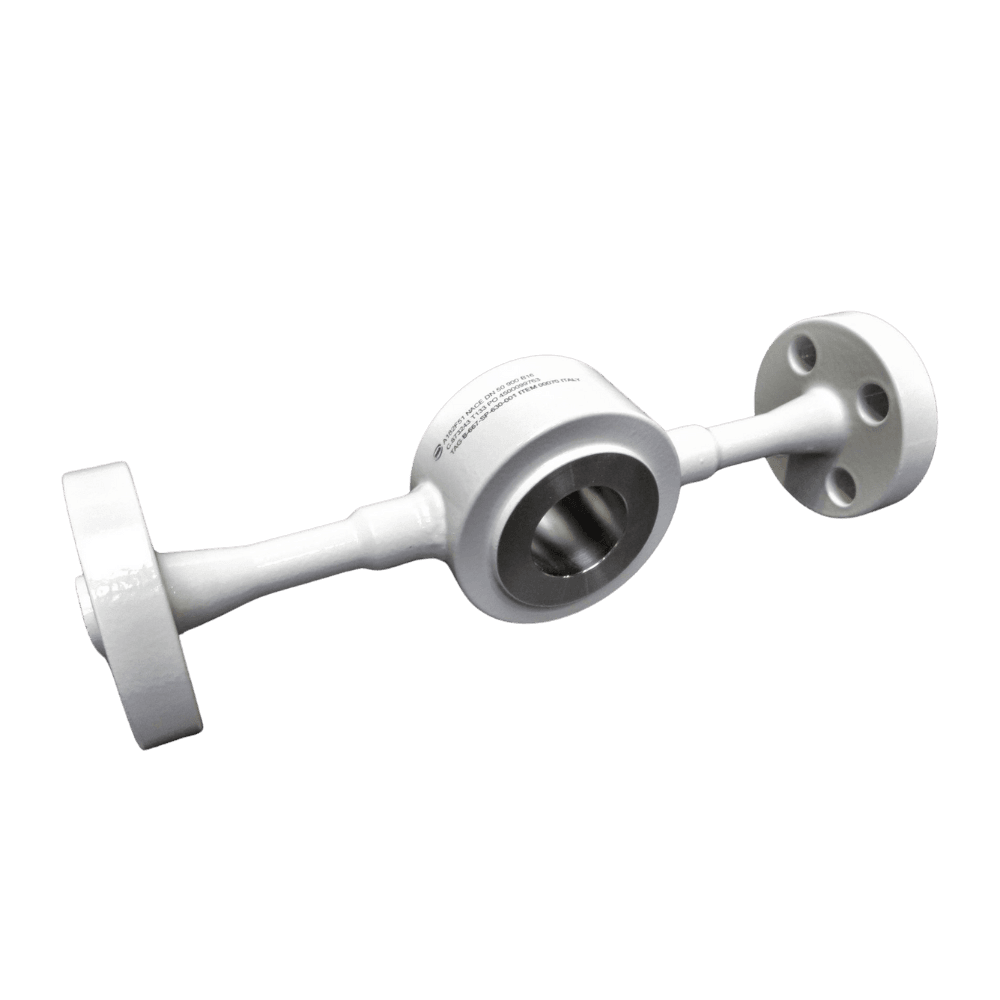
As a the best process instrumentation company Accurate pressure measurement plays a critical role in maintaining safety, efficiency, and reliability across industrial operations. However, process media such as slurry, viscous liquids, and corrosive chemicals often create blockages that affect instrumentation performance. Installing a Flushing Ring helps solve these challenges by allowing easy cleaning access between the process connection and pressure instruments.
This small but highly effective component improves measurement accuracy, simplifies maintenance procedures, and protects expensive transmitters from long-term damage. Because of these advantages, industries such as chemical processing, oil and gas, wastewater treatment, and power generation widely adopt this solution in their pressure monitoring setups.
What Is a Flushing Ring?
A Flushing Ring is an instrument accessory installed between the process flange and pressure transmitter or diaphragm seal assembly. It includes dedicated ports that allow operators to flush, clean, or drain accumulated deposits from sensing lines without removing the instrument.
This makes it especially useful when handling:
- Slurry-based media
- Sticky or crystallizing liquids
- Corrosive process chemicals
- High-viscosity fluids
- Sediment-forming materials
By keeping sensing pathways clean, it helps maintain consistent signal response and reliable pressure monitoring.
1. Improves Measurement Accuracy
One of the biggest advantages of installing a Flushing Ring is improved reliability in pressure measurement systems.
In many industrial environments, residue buildup inside sensing lines can distort readings and reduce transmitter performance over time. Periodic cleaning through flushing ports helps eliminate such deposits and ensures stable signal transmission.
Key accuracy improvements include:
- Removal of sediment accumulation
- Prevention of impulse line blockage
- Stable transmitter response
- Reduced calibration drift
- Consistent monitoring performance
These benefits make pressure monitoring more dependable across demanding operating conditions.
2. Simplifies Maintenance Procedures
Routine maintenance becomes faster and more efficient when a Flushing Ring is integrated into pressure instrumentation assemblies.
Instead of disconnecting transmitters from pipelines, technicians can clean sensing areas through flushing ports. This minimizes downtime and reduces maintenance complexity.
Major maintenance advantages include:
- Faster servicing operations
- Reduced system shutdown time
- Less mechanical handling of transmitters
- Lower labor effort
- Improved operational continuity
These improvements are especially valuable in continuous-process industries where interruptions must be minimized.
3. Prevents Blockage in Challenging Process Conditions
Industrial process environments often involve aggressive or contamination-prone fluids that can affect sensing components. Installing a Flushing Ring helps maintain clear sensing pathways even when working with difficult media.
This protection becomes important when dealing with:
- Slurry pipelines
- Chemical processing lines
- Wastewater handling systems
- Pulp and paper processing
- Viscous fluid transfer applications
By allowing periodic flushing access, the system remains clean and functional without requiring major intervention.
4. Enhances Operational Safety
Safety remains a top priority when servicing pressure instrumentation connected to hazardous pipelines. A Flushing Ring improves safety by enabling controlled cleaning and draining without removing transmitters from live connections.
Important safety benefits include:
- Reduced exposure to process fluids
- Safer pressure release handling
- Lower leakage risks during servicing
- Improved technician protection
- Controlled cleaning procedures
These advantages support safer maintenance workflows across industrial plants.
5. Extends Instrument Service Life
Pressure transmitters represent a significant investment in monitoring infrastructure. Keeping sensing components free from contamination directly improves their operational lifespan.
Installing a Flushing Ring helps protect instruments by preventing residue accumulation that may damage diaphragms or sensing elements over time.
Long-term reliability improvements include:
- Reduced corrosion exposure
- Protection of sensing surfaces
- Lower maintenance frequency
- Stable performance over extended operation
- Reduced replacement costs
These benefits contribute to better lifecycle value for instrumentation systems.
Additional Advantages in Industrial Applications
Beyond maintenance and protection benefits, integrating a Flushing Ring provides flexibility across multiple installation environments.
Additional performance advantages include:
- Compatibility with diaphragm seal assemblies
- Easy integration into existing pipeline systems
- Availability in multiple material grades
- Support for sanitary and industrial applications
- Suitable for differential pressure monitoring setups
These features make it a practical solution for improving reliability in demanding process conditions.
Typical Industry Applications
Because of its versatility, a Flushing Ring is widely used across industries that require stable and accurate pressure measurement.
Common applications include:
- Oil and gas processing plants
- Chemical manufacturing facilities
- Water treatment installations
- Pharmaceutical production environments
- Power generation systems
- Food processing industries
In each of these sectors, maintaining clean sensing pathways directly supports safe and efficient operations.
Maintaining accurate pressure monitoring becomes easier when proper instrumentation accessories are included in system design. A Flushing Ring supports measurement stability, simplifies maintenance activities, improves operational safety, and protects transmitters from long-term damage.
For industries handling difficult process media or operating continuous production systems, this simple addition can significantly enhance performance reliability and reduce maintenance challenges across pressure monitoring applications.