

In industries where precision drives performance—like oil & gas, power plants, and chemical processing—accurate flow measurement is essential. A small error in measurement can lead to operational inefficiencies, increased costs, or even safety risks.
One of the most trusted solutions used across industries is the Orifice Flange Assembly. Known for its simplicity and reliability, it continues to be a go-to choice for engineers and plant operators worldwide.
What is an orifice flange assembly?
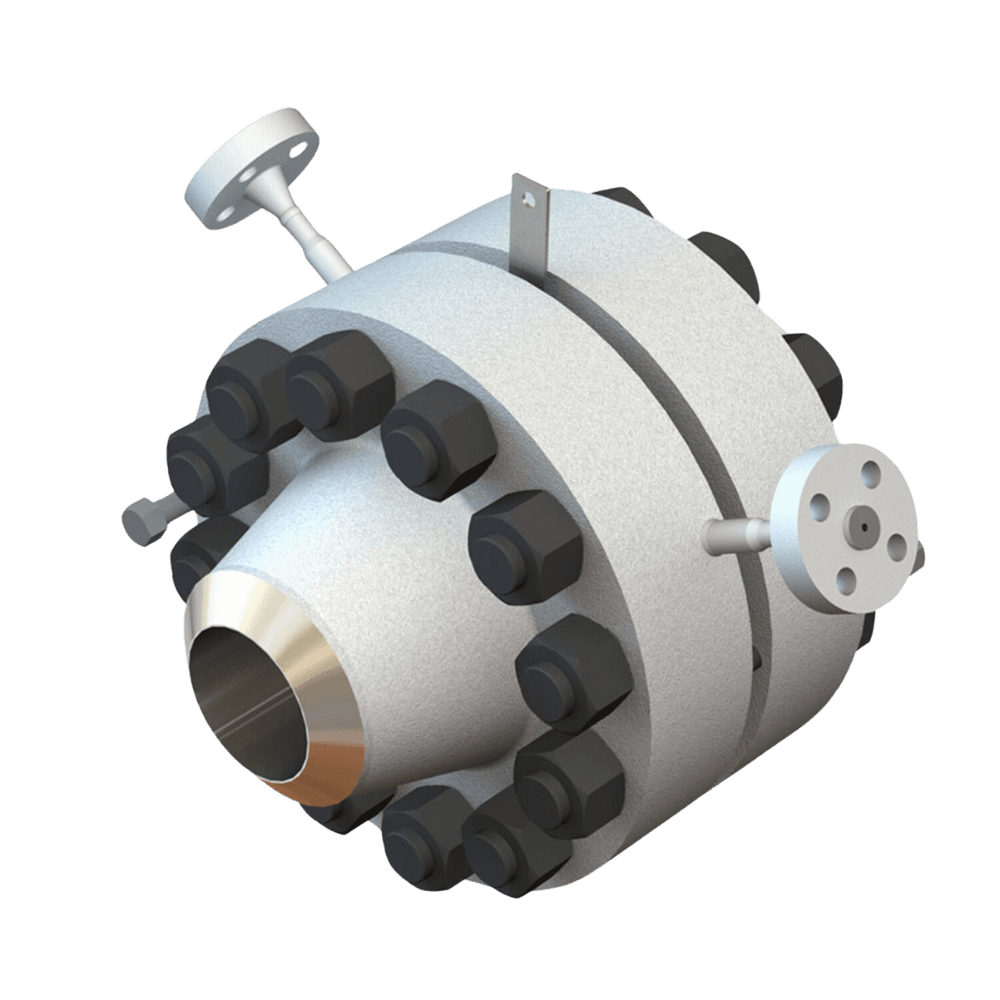
An orifice flange assembly is a mechanical setup used in pipelines to measure the flow rate of liquids, gases, or steam. It operates based on the principle of differential pressure.
The system includes two specially designed flanges with an orifice plate placed between them. As fluid flows through the pipe, it passes through the orifice plate, creating a pressure drop. This pressure difference is measured and used to calculate the flow rate.
Because of its straightforward design and consistent performance, the Orifice Flange Assembly is widely used in industrial flow measurement systems.
Working Principle Explained
To understand how it works, imagine fluid moving through a wide pipe that suddenly narrows. When the flow passes through the smaller opening in the orifice plate, its velocity increases while pressure decreases.
Pressure taps located on both sides of the plate measure:
- Upstream pressure
- Downstream pressure
The difference between these two values helps determine the flow rate using standard engineering formulas.
This principle makes the orifice flange assembly a practical and dependable solution for measuring flow in real-world conditions.
Key Components of the Assembly
Every orifice flange assembly consists of carefully engineered components that work together:
1. Orifice Flanges
These are specialized flanges equipped with pressure tapping points for accurate readings.
2. Orifice Plate
A thin metal plate with a precisely machined hole that controls the flow restriction.
3. Pressure Tappings
Small openings that connect to measurement instruments like differential pressure transmitters.
4. Gaskets and Bolts
Ensure a secure, leak-proof connection between the flanges.
Each component plays a crucial role in ensuring accurate and consistent flow measurement.
Types of Orifice Flange Assemblies
Different industrial requirements call for different configurations:
- Weld Neck Type – Suitable for high-pressure and high-temperature applications
- Slip-On Type – Easier to install and cost-effective
- Threaded Type – Ideal where welding is not feasible
Choosing the right type of orifice flange assembly depends on factors like pressure, temperature, and pipeline design.
Advantages of Using Orifice Flange Assembly
The reason this system remains widely used is its strong balance of performance and cost.
Cost-Effective
Compared to advanced flow meters, it is affordable and easy to source.
Reliable Performance
With no moving parts, the chances of mechanical failure are minimal.
Easy Maintenance
The orifice plate can be replaced or inspected without major system changes.
Industry Standard
It is widely accepted and used across multiple industries, making it a proven solution.
Applications Across Industries
The orifice flange assembly plays a critical role in several sectors:
- Oil & Gas Industry – Measuring crude oil and gas flow
- Power Plants – Monitoring steam flow
- Chemical Processing – Controlling fluid movement
- Water Treatment – Managing water distribution systems
Its versatility makes it a key component in both small-scale and large-scale operations.
Installation Best Practices
Even the best system can fail if not installed properly. For accurate results, consider the following:
- Maintain proper straight pipe length before and after installation
- Ensure correct alignment of the orifice plate
- Avoid leaks with proper sealing
- Position pressure taps accurately
A properly installed orifice flange assembly ensures long-term reliability and precise measurements.
Common Challenges and Solutions
While effective, there are a few challenges to keep in mind:
Pressure Loss
The restriction causes a permanent pressure drop in the system.
Solution: Optimize plate design for efficiency.
Wear Over Time
Continuous flow can cause erosion of the orifice plate.
Solution: Use durable materials like stainless steel.
Measurement Errors
Improper installation or clogging can affect accuracy.
Solution: Regular inspection and maintenance.
The orifice flange assembly continues to be one of the most practical and reliable solutions for industrial flow measurement. Its simple design, cost-effectiveness, and proven performance make it a preferred choice across industries.
For businesses, it’s not just about measuring flow—it’s about ensuring efficiency, reducing losses, and maintaining operational control.