

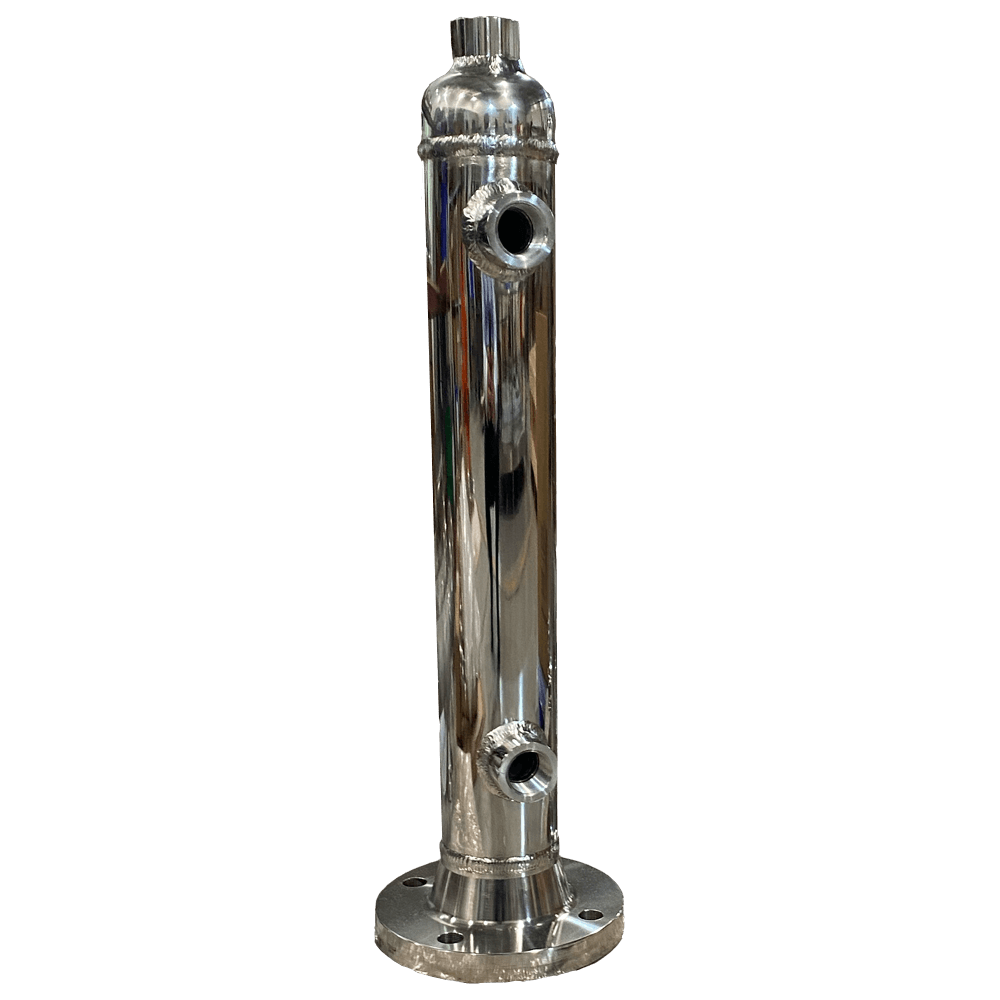
Precise liquid level measurement is a non-negotiable requirement in modern industrial operations. Whether you are managing a chemical processing plant, a water treatment facility, or an oil and gas installation, even a small measurement error can cascade into costly downtime, safety hazards, or regulatory non-compliance. This is where the external chamber becomes one of the most valuable components in your instrumentation setup — a purpose-built solution that shields your level transmitter from the unpredictable realities of live process conditions.
What Is anExternal Chamber?
Anexternal chamber is a standalone vessel that is installed alongside a process tank or vessel and connected to it via process connections. Rather than mounting a level transmitter directly inside the process vessel — where it is exposed to turbulence, temperature swings, and aggressive media — the transmitter is installed within the external chamber. The chamber maintains the same liquid level as the main vessel through communicating vessel principles, while providing a calm, stable, and controlled measurement environment.
This simple but highly effective design translates into dramatically improved measurement reliability across a wide range of industries.
Key Features of a High-QualityExternal Chamber
1. Enhanced Measurement Accuracy
The primary function of an external chamber is isolation. By separating the transmitter from process turbulence, pressure variations, and thermal fluctuations, it delivers stable and consistent readings — even in highly dynamic environments. This is critical for processes where level data feeds into automated control systems or custody transfer measurements.
2. Robust, Industrial-Grade Construction
External chambers from reputable manufacturers are built from high-quality materials including stainless steel (SS316L), Hastelloy, and Inconel. These corrosion-resistant alloys are engineered to handle aggressive media — corrosive chemicals, high-salinity fluids, and steam — without degradation. Combined with the ability to withstand operating temperatures up to 400°C (752°F) and pressures up to 150 bar (2,175 psi), a well-designed external chamber delivers the long-term durability that demanding industrial environments require.
3. Versatile Transmitter Compatibility
One of the greatest practical advantages of anexternal chamber is its compatibility with multiple transmitter technologies. Whether you are using differential pressure transmitters, radar-based level sensors, or ultrasonic devices, the chamber can be configured to accommodate your preferred measurement technology. This versatility makes it a future-proof investment — as your instrumentation evolves, the chamber remains relevant.
4. Broad Fluid Compatibility
External chambers are designed to handle a diverse range of liquid types, including corrosive fluids, high-viscosity substances, and high-temperature process media. This breadth of compatibility makes them suitable for industries ranging from petrochemicals and pharmaceuticals to food and beverage processing.
5. Simplified Installation and Maintenance
The design of anexternal chamber prioritises practical usability. Flanged, threaded, or welded connections make installation straightforward, and removable covers with inspection ports provide easy access for routine maintenance and cleaning — minimising process interruptions and keeping total cost of ownership low.
6. Built-In Safety Features
Industrial safety is never an afterthought. These chambers are equipped with pressure relief devices and vent and drain connections to ensure safe operation under all conditions. Optional explosion-proof configurations are available for installations in hazardous classified areas, giving engineers the confidence to deploy them in the most demanding environments.
Why Industries Choose External Chambers
The business case for an external chamber goes beyond measurement accuracy. Here is a summary of the core operational benefits:
- Higher accuracy: Isolating the transmitter from process noise eliminates reading errors caused by turbulence and pressure spikes.
- Extended transmitter life: A stable operating environment reduces wear and stress on sensitive transmitter components, prolonging service intervals.
- Lower maintenance costs: Easy-access design and robust materials reduce both the frequency and cost of maintenance interventions.
- Flexible integration: Multiple connection options and a wide range of material choices make integration into new or existing systems straightforward.
- Improved safety compliance: Pressure relief and vent-drain features, along with optional hazardous area certifications, support plant safety standards.
Selecting the Right External Chamber for Your Application
Choosing the correct external chamber requires careful consideration of several process parameters:
Material selection should reflect the nature of the process fluid. Standard stainless steel (SS316L) suits most water-based and mildly corrosive applications, while aggressive chemicals may demand Hastelloy or Inconel. Operating pressure and temperature ranges must be matched to your process conditions — ensure the chamber’s rated limits exceed your normal operating envelope with a sufficient safety margin. Connection type (flanged, threaded, or welded) should align with your existing piping standards, and transmitter compatibility must be confirmed before finalising your specification.
Working with a trusted industrial instrumentation supplier ensures that these parameters are evaluated systematically, resulting in a specification that is both technically sound and commercially optimised.
Applications Across Industries
External chambers serve as a critical level measurement solution across many sectors:
- Oil and gas: Separator vessels, storage tanks, and process reactors
- Chemical processing: Corrosive and reactive fluid management
- Water and wastewater: Flow control and tank level monitoring
- Power generation: Boiler drum level measurement and feedwater systems
- Pharmaceuticals: Hygienic-grade level measurement in batch processing
The consistent thread across all these applications is the need for reliable, repeatable level data — and theexternal chamber delivers precisely that.
Conclusion
When accurate level measurement directly impacts process efficiency, product quality, and plant safety, cutting corners on instrumentation is not an option. An external chamber provides a reliable, durable, and versatile solution that protects your level transmitter from harsh process conditions while delivering the measurement stability your operations depend on.
IPS Automation’s external chambers are designed and manufactured to meet the rigorous demands of modern industrial processes. Built from premium corrosion-resistant alloys and available with a full range of connection and material options, they are ready to perform in even the most challenging environments.
Ready to enhance your level measurement reliability? Explore IPS Automation’s External Chambers or contact the team to request a quote tailored to your application.