

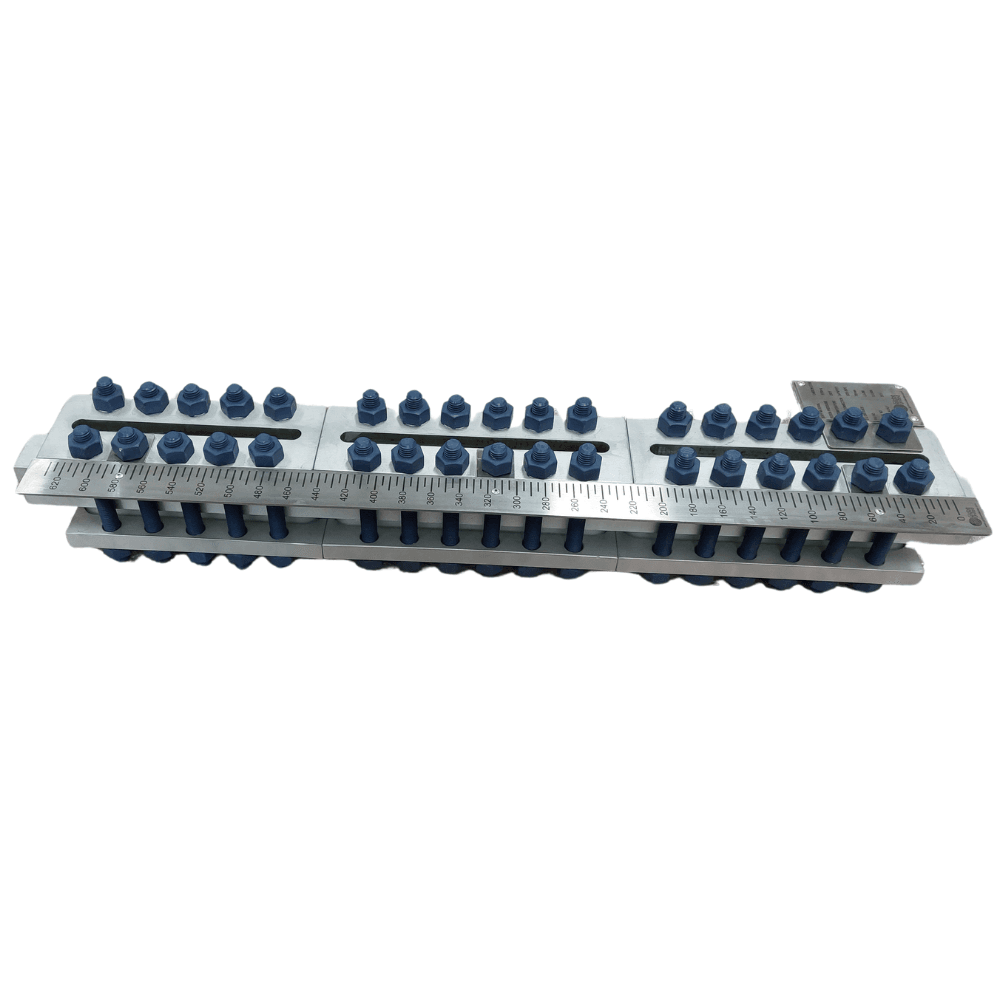
A transparent level gauge is an essential instrument used in industrial systems to visually monitor liquid levels inside tanks, boilers, and pressurized vessels. In industries where precision and safety are critical, relying on direct visual indication helps operators make faster and more accurate decisions.
Compared to other level measurement devices, this solution offers clear visibility of the actual liquid, making it highly reliable for complex applications such as interface measurement and high-pressure environments.
What is a Transparent Level Gauge?
A transparent level gauge is a mechanical device that uses flat glass plates enclosed within a metal chamber to display the liquid level. This type of transparent level gauge is mounted externally and connected to the vessel through isolation valves.
The liquid inside the tank flows into the gauge chamber and settles at the same level due to hydrostatic pressure, allowing operators to see the exact fluid level in real time.
Ideal for:
- Colorless liquids
- Liquid-to-liquid interface measurement
- High-pressure and high-temperature systems
- Steam and condensate applications
Working Principle of Transparent Level Gauge
The transparent level gauge operates on the principle of communicating vessels, where the liquid level in the gauge matches the level inside the tank.
Here’s how it works:
- The gauge is connected to the vessel at the top and bottom
- Liquid enters the gauge chamber naturally
- Pressure inside the chamber equalizes with the vessel
- The liquid level stabilizes and becomes visible through the glass
Unlike reflex gauges, this instrument does not depend on light reflection, which makes it more effective in applications where visual clarity is critical.
Key Components
A transparent level gauge is designed with durable and high-performance materials to withstand harsh industrial conditions.
Main components include:
- Transparent glass plates for clear visibility
- Gauge body made from stainless steel or carbon steel
- Gaskets for leak-proof sealing
- Cover plates for protection
- Isolation valves for safe operation
- Drain and vent valves for maintenance
Each component ensures accurate and safe level measurement.
Types of Transparent Level Gauges
Different designs of a transparent gauge are used depending on industrial requirements:
1. Flat Glass Type
- Uses flat glass plates
- Suitable for high-pressure systems
- Common in boiler applications
2. Tubular Type
- Uses a glass tube
- Cost-effective solution
- Suitable for low to medium pressure
3. Illuminated Type
- Comes with backlighting
- Improves visibility in low-light areas
Key Features
A transparent level gauge is widely preferred due to its reliability and efficiency.
- Direct and continuous liquid level indication
- Suitable for extreme pressure and temperature
- Detects liquid interfaces accurately
- Durable construction for long-term use
- No electrical power required
- Ideal for hazardous environments
Advantages of Transparent Level Gauges
1. Accurate Real-Time Monitoring
A transparent level gauge provides exact visual representation without relying on electronic sensors.
2. Enhanced Safety
Using a level gauge reduces the need to open tanks, minimizing operational risks.
3. Versatility Across Fluids
This device can handle corrosive, toxic, and high-temperature liquids.
4. Low Maintenance
The simple design ensures easy servicing and minimal downtime.
5. Long Service Life
A transparent level gauge is built to operate efficiently even in harsh environments.
Industrial Applications
A transparent level gauge is widely used across industries that demand precise level monitoring.
Major applications include:
- Oil & Gas Industry
Storage tanks and refinery operations - Power Generation Plants
Boiler drum monitoring - Chemical Industry
Handling aggressive fluids - Pharmaceutical Industry
Ensuring accurate process control - Water Treatment Plants
Monitoring tanks and reservoirs - Food & Beverage Industry
Controlled liquid handling processes
Transparent vs Reflex Level Gauge
Understanding the difference helps in selecting the right solution:
| Feature | Transparent Level Gauge | Reflex Level Gauge |
| Visibility | Direct and clear | Reflection-based |
| Best for | Interface & colorless liquids | General use |
| Pressure Handling | High | Moderate |
| Accuracy | Very high | Good |
Installation & Maintenance Best Practices
Proper handling of a transparent level gauge ensures long-term performance.
Installation Tips:
- Install the transparent gauge vertically
- Use compatible gasket materials
- Ensure proper sealing and alignment
Maintenance Tips:
- Clean the glass regularly
- Inspect for wear or cracks
- Check valves and fittings
- Replace damaged components promptly
How to Choose the Right Transparent Level Gauge
Selecting the right one depends on:
- Operating pressure and temperature
- Type of liquid
- Visibility requirements
- Installation environment
- Industry standards and compliance
A transparent level gauge is a reliable and efficient solution for monitoring liquid levels in industrial systems. Its ability to provide clear, real-time visual indication makes it an essential component in industries such as oil & gas, power generation, and chemical processing.
For businesses focused on safety, accuracy, and durability, investing in a high-quality transparent level gauge ensures consistent performance and long-term operational efficiency.