

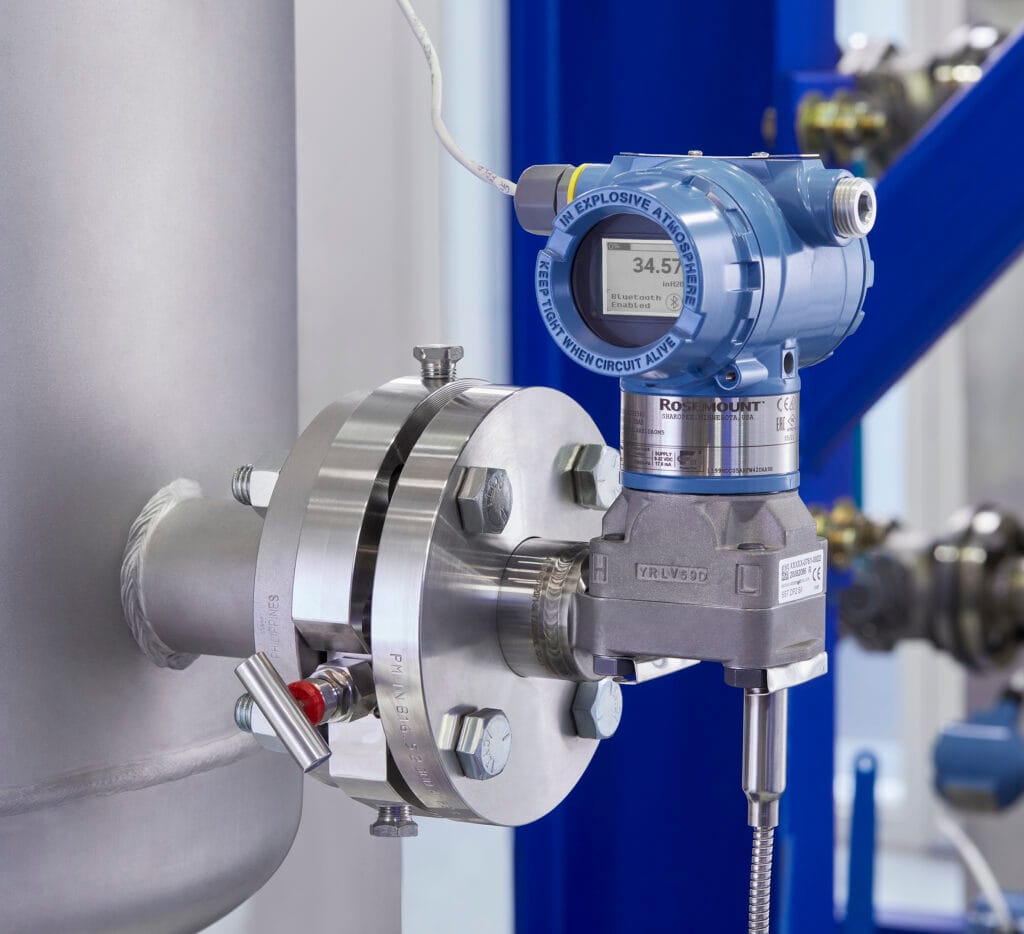
In modern manufacturing and process industries, accurate pressure monitoring is essential for maintaining efficiency, safety, and product quality. Industrial plants rely on advanced measurement instruments to track pressure variations within pipelines, tanks, and filtration systems.
One of the most widely used instruments for differential pressure measurement is the differential pressure transmitter. This device plays a crucial role in industrial automation by measuring the pressure difference between two points in a process system.
From flow measurement in pipelines to level monitoring in storage tanks, differential pressure transmitters are used in a wide range of industries including oil and gas, chemical processing, water treatment, pharmaceuticals, and power generation.
Understanding the differential pressure transmitter working principle, applications, and benefits can help industries improve operational efficiency and maintain reliable process control.
What is a Differential Pressure Transmitter?
A differential pressure transmitter (DP transmitter) is an industrial pressure measuring device used to measure the difference between two pressure points within a system. Unlike a standard pressure sensor that measures pressure at a single point, a differential pressure transmitter compares two pressure inputs and calculates the difference between them.
The transmitter converts this pressure difference into an electrical signal, typically 4–20 mA, which can be transmitted to control systems such as PLC, SCADA, or distributed control systems.
Because of their accuracy and reliability, differential pressure transmitters are widely used as industrial pressure transmitters in automated manufacturing and process control systems.
Differential Pressure Transmitter Working Principle
The differential pressure transmitter working principle is based on detecting the pressure difference between two points in a system.
A typical differential pressure transmitter has two pressure ports:
- High pressure port (HP)
- Low pressure port (LP)
When pressure is applied to both ports, the transmitter measures the difference between the two values.
Here is how the process works:
- Pressure from two points enters the transmitter through the high-pressure and low-pressure ports.
- The pressure difference causes a sensing diaphragm inside the transmitter to deform slightly.
- Sensors detect the movement of the diaphragm.
- The transmitter converts this movement into an electrical signal.
- The signal is sent to industrial control systems for monitoring and automation.
This system allows engineers to monitor differential pressure measurement in real time and use the data to control industrial processes.
Differential Pressure Transmitter Applications in Industry
Differential pressure transmitters are used in many industrial processes because they can measure several variables such as flow, level, and pressure drop.
Below are the most common differential pressure transmitter applications used in modern industries.
1. Differential Pressure Transmitter for Flow Measurement
One of the most common uses of differential pressure transmitters is flow measurement in pipelines.
When fluid flows through a restriction device such as an orifice plate or venturi tube, a pressure drop occurs. The differential pressure transmitter measures this pressure difference and calculates the flow rate of the fluid.
Industries using differential pressure transmitters for flow measurement include:
- Oil and gas pipelines
- Chemical manufacturing plants
- Power generation systems
- Water distribution networks
Accurate flow monitoring helps industries maintain consistent production and improve process efficiency.
2. DP Transmitter for Level Measurement
Another important application is DP transmitter for level measurement in tanks and vessels.
In this method, the transmitter measures the pressure difference between the bottom and the top of a tank. Since the pressure at the bottom increases with liquid height, the differential pressure can be used to determine the level of liquid inside the tank.
This technique is commonly used in:
- Water treatment plants
- Chemical storage tanks
- Pharmaceutical manufacturing
- Food and beverage processing industries
Using a differential pressure transmitter for level measurement helps prevent overflow and improves inventory management.
3. Filter Monitoring Systems
Industrial filtration systems are used to remove contaminants from fluids and gases. Over time, filters can become clogged, which increases the pressure difference across the filter.
A differential pressure transmitter monitors this pressure difference to determine when the filter requires cleaning or replacement.
This application is widely used in:
- HVAC systems
- Pharmaceutical cleanrooms
- Water treatment facilities
- Industrial filtration systems
Real-time monitoring ensures efficient filtration and reduces maintenance costs.
4. Pump and Compressor Monitoring
Differential pressure transmitters are also used to monitor the performance of pumps and compressors in industrial systems.
By measuring the pressure difference across pumps, engineers can identify issues such as:
- Blockages in pipelines
- Pump inefficiency
- Mechanical wear and tear
Monitoring these changes helps industries perform predictive maintenance and prevent unexpected equipment failures.
5. Leak Detection in Pipelines
Large industrial pipelines require constant monitoring to detect leaks or pressure abnormalities. Differential pressure transmitters measure pressure differences between two pipeline sections.
If the pressure difference changes suddenly, it may indicate a leak or system malfunction.
This application is especially important in industries such as:
- Oil and gas
- Chemical processing
- Water distribution systems
Early leak detection improves safety and prevents environmental damage.
Benefits of Differential Pressure Transmitters
Differential pressure transmitters offer several advantages that make them essential in modern industrial automation systems.
High Accuracy in Differential Pressure Measurement
One of the main advantages of differential pressure transmitters is their ability to provide highly accurate pressure measurements.
This accuracy allows industries to maintain stable processes and ensure consistent product quality.
Improved Industrial Efficiency
By monitoring pressure differences in real time, industries can optimize system performance and reduce energy consumption.
For example, identifying clogged filters early helps reduce the load on pumps and improves overall efficiency.
Enhanced Safety in Industrial Plants
Pressure monitoring is critical in industries that operate under high pressure or hazardous conditions.
Differential pressure transmitters help detect abnormal pressure changes early, preventing potential accidents and equipment damage.
Reliable Performance in Harsh Environments
Industrial pressure transmitters are designed to operate in challenging environments such as:
- High temperature conditions
- High pressure systems
- Corrosive chemical environments
Their robust construction ensures long-term reliability.
Easy Integration with Automation Systems
Modern differential pressure transmitters can easily integrate with PLC, SCADA, and industrial automation systems.
This enables remote monitoring, real-time data analysis, and automated process control.
Industries Using Differential Pressure Transmitters
Because of their versatility, differential pressure transmitters are widely used across multiple industries.
Major industries include:
- Oil and Gas Industry
- Chemical Processing Plants
- Power Generation Facilities
- Water and Wastewater Treatment
- Pharmaceutical Manufacturing
- Food and Beverage Production
These industries rely on differential pressure measurement to maintain efficiency, safety, and regulatory compliance.
Conclusion
Differential pressure transmitters are essential instruments in modern industrial automation systems. Their ability to measure pressure differences accurately makes them valuable for monitoring flow, liquid levels, filtration systems, pumps, and pipelines.
By understanding the differential pressure transmitter working principle and applications, industries can improve process efficiency, reduce operational risks, and ensure reliable performance.
As manufacturing continues to evolve with advanced automation technologies, differential pressure transmitters will remain a critical component in smart industrial systems and modern process control.